Özlem YıldırımAide de Cuisine
12 September 2026 Last updated: 12 September 2026

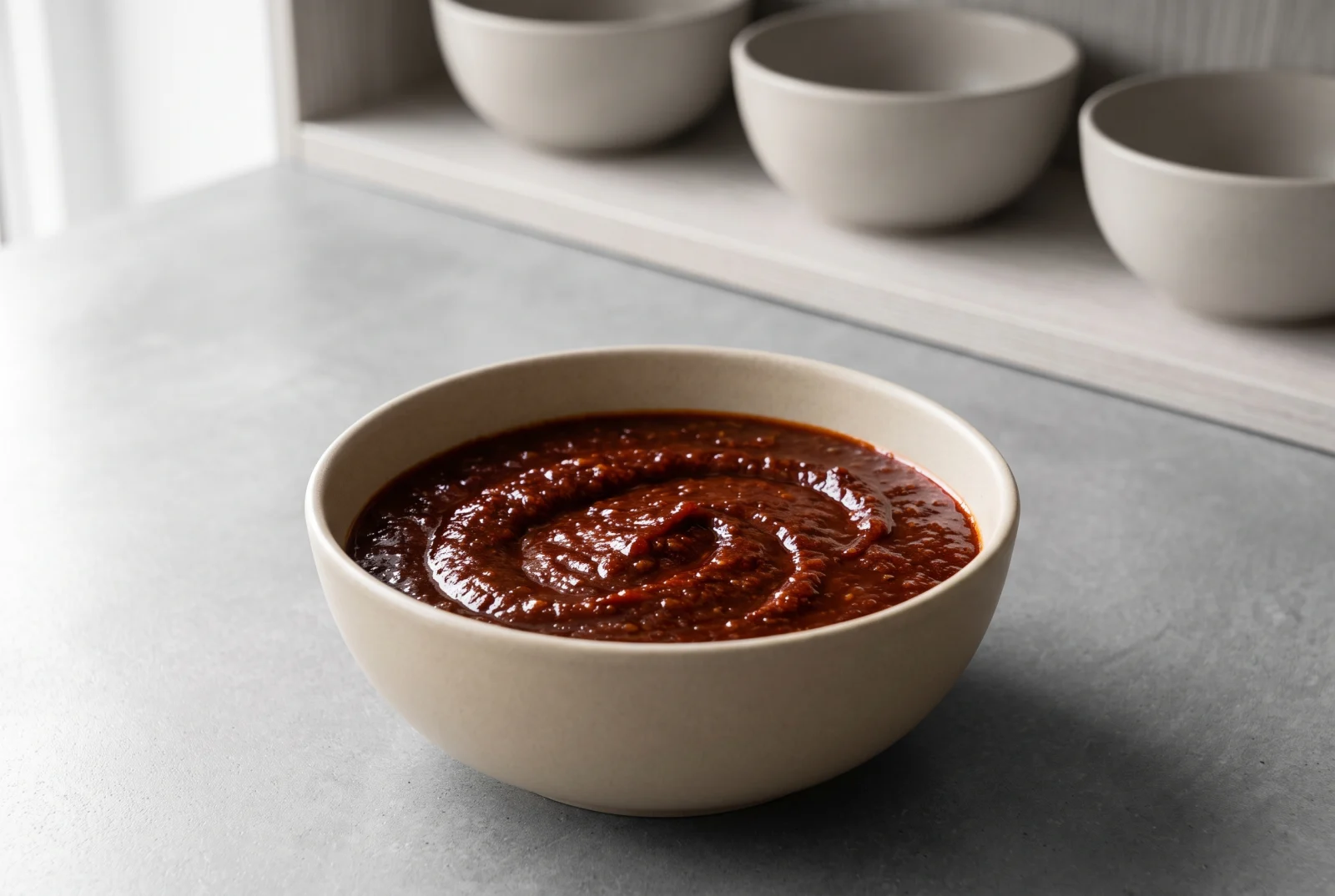
Zhajiang is Beijing’s noodle sauce, and its name means “fried paste.” Ground beef is first browned, then simmered slowly in fermented soybean paste. This version is made with ground beef. Spoon it over boiled noodles and serve with cucumber sticks.

Step by Step

How to make it?

1

Thin the paste with water

3 min

Put the fermented soybean paste in a bowl and thin it with half the water until smooth. If added directly to the pan, the paste will stick and will not distribute evenly. Stir the soy sauce and sugar into this mixture and set aside. The fermented paste gives the sauce its depth; do not add any other liquid to this mixture.

2

Brown the ground beef

7 min

Heat the oil in a large skillet and add the ground beef. Do not stir it right away; let one side brown against the pan, then break it up with a spoon. Cook until all the liquid released by the beef has evaporated and the crumbles are separated; this step determines the sauce’s texture. If using ground turkey instead of beef, continue cooking until it reaches an internal temperature of 74°C / 165°F.

3

Add the ginger and garlic

3 min

Reduce the heat, add the grated ginger and garlic, and stir for half a minute until fragrant. They will burn quickly over high heat and make the sauce bitter. Add the white parts of the green onions at this stage.

4

Add the paste and simmer

12 min

Pour the thinned paste mixture into the skillet, add the remaining water, and cook over low heat. Stir occasionally: the sauce will look watery at first, then thicken, with a separate layer of oil appearing at the edges. Dissolve the cornstarch in one spoonful of cold water, stir it in for 1 more minute, then remove the pan from the heat and garnish with the green parts of the green onions. Refrigerate leftover sauce in a sealed container; discard it if its smell or appearance changes.

Reminder

Fermented soybean paste is salty, and the sauce becomes more concentrated as it cooks; taste it before adding any salt.

Nutritional Values · 1 serving

Values are estimates
247 kcalCalories
13.4 gProtein
9.9 gCarbohydrate
17.1 gFat
0.8 gFiber
5.3 gSugar
1056 mgSodium
4.7 gSaturated Fat
Protein 22% Carbohydrate 16% Fat 62%
Share
Reviews

Comments (5)

2.0 1 review 0% recommend it 1 rated without leaving a comment
5 0
4 0
3 0
2 1
1 0
K
Khaled Mansour 2 weeks ago

Nişastayı en sona az suyla açıp ekledim, sos erişteye tutundu. Ekledikten sonra bir dakika kaynatmak gerekiyor, hemen ocaktan alınca nişasta çiğ kalıp sosa unlu bir tat veriyor.

A
Alperen Sunar 2 weeks ago

Yeşil soğanı ocaktan aldıktan sonra üste serptim, sosun içinde pişince rengi gidiyor.

Ü
Ülkü Ünsal 2 weeks ago

Kıymayı yağsız seçmeyin, sosun yağı erişteye tat taşıyor.

T
Taylan Çetinkaya 2 weeks ago

Soya ezmesini suyla açmadan tavaya atınca yanıyor, açınca kıymaya eşit dağılıyor. Açarken de ılık su kullandım, soğuk suyla ezme topak topak kalıyor ve kaşığın arkasında dağılmıyor.

F
Fatih Başaran 3 weeks ago

Şekeri atlamayın, soya ezmesinin tuzunu dengeleyen şey o.

Ö
Özlem Recipe Owner 2 weeks ago

Şeker burada tatlandırıcı değil denge unsuru, doğru söylemişsiniz. Ezmeniz tatlı fermente değilse şekeri biraz artırmanız gerekebilir.

Similar Recipes

You'll like these too

Recipes tried by those who liked this one, fitting the same table.

Send Feedback